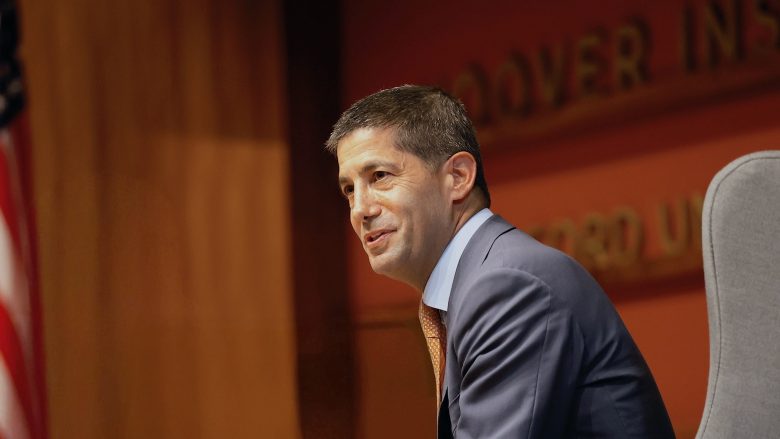
Kevin Warsh was sworn in as the 17th Chair of the Federal Reserve on May 22, 2026, stepping into one of the most closely watched leadership transitions in the central bank’s modern history. His first Federal Open Market Committee meeting as chair falls on June 16-17, and financial markets – from bond traders to equity investors — are treating it as a defining moment for the rest of the year.
Warsh replaces Jerome Powell, whose term as chair expired on May 15. In a sign of continuity, Powell agreed to remain on the Federal Reserve Board as a governor, an unusual arrangement that underscores just how unusual this transition is.
Who Is Kevin Warsh?
Warsh is no stranger to the Fed. In 2006, he became the youngest person ever appointed to the Federal Reserve Board of Governors, at just 35 years old, and served through the 2008 financial crisis alongside Powell’s predecessors. He is widely known as a “sound money” advocate – a policymaker who prioritizes price stability and is skeptical of prolonged accommodation.
His nomination on January 30, 2026, sent immediate shockwaves through global markets. Gold, which had been trading near record highs above $5,500 an ounce, plunged to $4,745 in a single session as investors scrambled to reprice the entire rate path under a Warsh-led Fed.
Where Rates Stand Today
The Federal Reserve’s target federal funds rate currently sits at 3.50% to 3.75%, unchanged across three consecutive FOMC meetings in January, March, and April 2026. The Fed has been on hold since its last cut in late 2025, caught between sticky inflation running above its 2% target and a labor market that has shown hiring slowdowns without a meaningful rise in layoffs.
April’s meeting was particularly fractious. By a vote of 8-4, the committee decided to maintain rates – the most divided the FOMC has been since 1992. Three members voted to hold but opposed any language that signaled a future bias toward easing. Only one member, Stephen Miran, voted for a 0.25 percentage point cut.
What June’s Meeting Is Likely to Deliver
Analysts broadly expect no rate move at the June meeting. J.P. Morgan Chase’s investment team has stated that “the Federal Reserve is not expected to move rates in the June meeting, and we believe they will be on hold for the rest of 2026.” However, the meeting matters for a different reason: Warsh’s press conference and the updated “dot plot” – the chart showing where each FOMC member expects rates to go – will reveal his tone, his willingness to build consensus, and whether he signals a clean break from Powell’s communication style.
As of early June, US headline CPI sits at 4.2%, well above the Fed’s 2% target, partly driven by an oil price surge from the Middle East conflict. The CME FedWatch tool shows a 97% probability of no change at the June meeting, but an increasing number of investors now believe the next move – if any – could be a rate hike rather than a cut.
President Trump has publicly pushed back. In an interview aired June 8, he said: “There’s no reason to raise interest rates,” signaling his preference to Warsh before the new chair has even convened his first meeting.
What This Means for You
The transition from Powell to Warsh matters for anyone with a mortgage, a savings account, a bond portfolio, or a 401(k). If Warsh establishes a more hawkish stance – keeping rates higher for longer or even hiking – borrowing costs stay elevated, but savers benefit from higher yields. If he pivots dovish, the dollar could weaken and risk assets like equities and crypto may rally.
For now, diversification remains the best hedge against a policy path that no one – not even the Fed – has fully mapped out.
Sources: Chase Bank, The Hill, Fortune, CME FedWatch, Charles Schwab, Mitrade